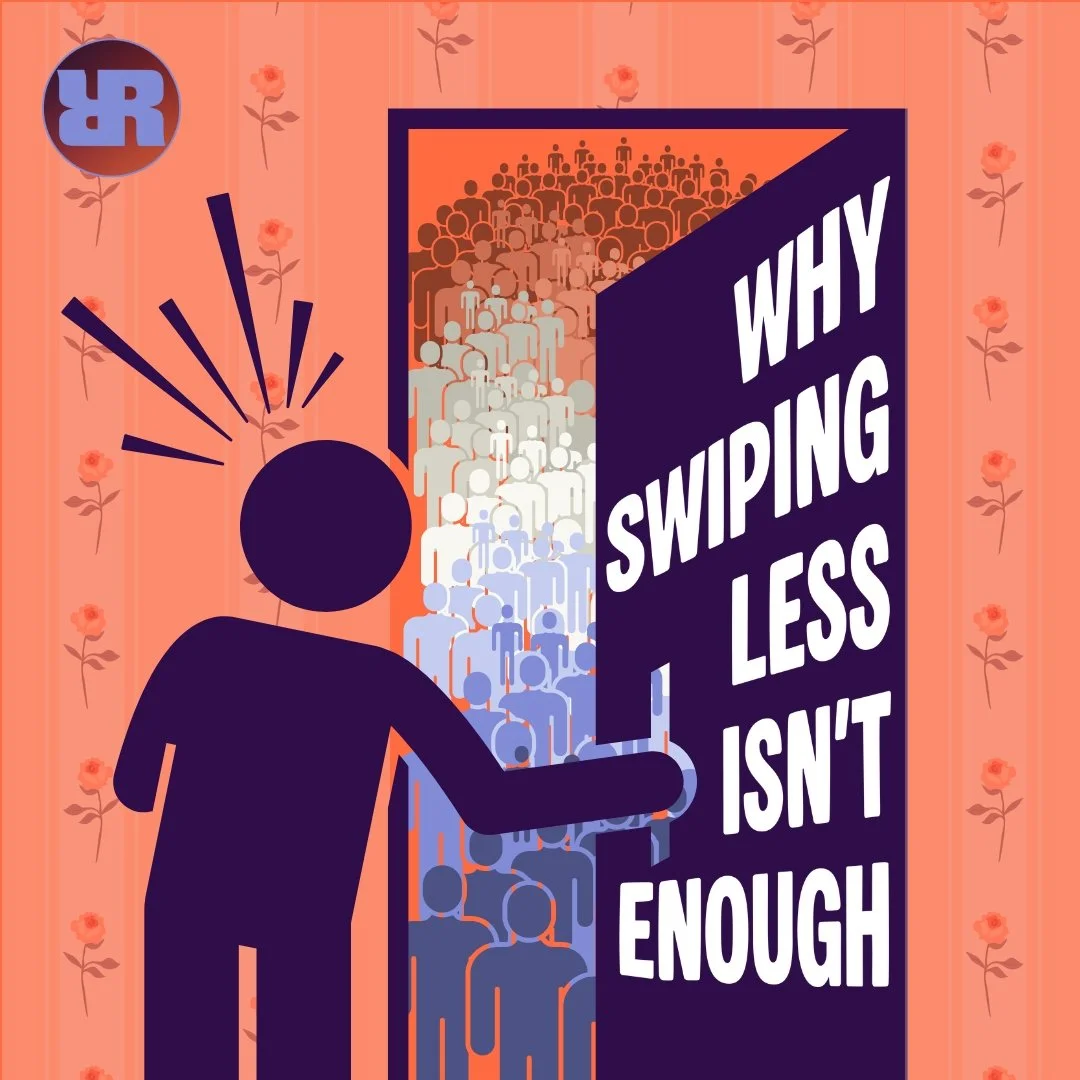
Why Swiping Less Isn’t Enough
“Just swipe less.”
It’s become one of the most common pieces of advice in modern dating, usually delivered with a knowing sigh, as if the problem with online dating is simply too much.
And sure, there’s truth in the idea that endless swiping can lead to burnout, numbness, and decision fatigue. But reducing online dating to a question of volume—more or less—misses the real issue entirely.
The deeper problem is the mismatch between effort and payoff. Too much frustration. Too much exposure to what you don’t want and almost none of what you do want.
Because swiping less doesn’t actually fix the problem.
It just shrinks the environment. It's just less, not necessarily better.
What Dating Apps Actually Work—and Why
What Online Dating App Is the Best? And Why That Question Rarely Leads to Better Dates
Searching for the best online dating app? Learn why no dating site works the same for everyone and how to choose an app that actually supports better decisions and healthier dating.
If you’ve ever typed “what online dating app is the best” or “what dating site actually works” into Google, you’re not alone. I see this question constantly in my work as a decision-making strategist, because it shows up at the exact moment people realize that effort alone isn’t translating into better dating outcomes. Millions of people ask some version of this question every year, hoping there’s a clear winner, one app that finally makes dating feel easier, more successful, or less exhausting.
Here’s the honest answer:
There is no single best online dating app.
But there are apps that work better—or worse—depending on how you make decisions.
And that difference matters far more than most people realize.

Dating Apps: Information Exchange Platforms, but Are We Asking the Right Questions About Safety?
At their core, dating apps are platforms designed to facilitate information exchange — a place where we share snippets of our lives, preferences, and desires, all in the hope of finding someone compatible.
But here's the thing: information isn't just about shared hobbies or interests. One of the most critical pieces of data you should extract from these platforms is information about safety — both physical and psychological.